

John 20:29 (Contemporary English Version)
“Jesus said to him, ‘You have faith because you have seen me. But blessed are those
who have not seen me and still have faith!’”
Historical background
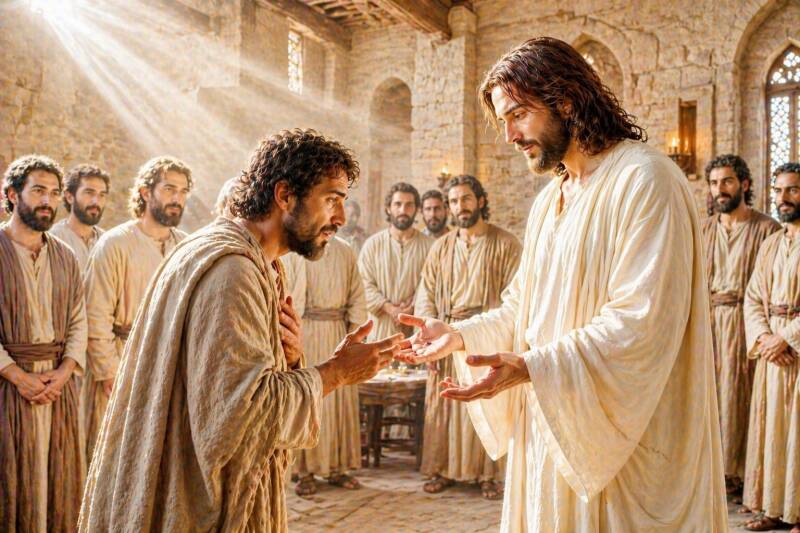
Jesus speaks these words after His resurrection, when He appears to His disciples. Thomas was not there the first time and found it hard to believe that Jesus was truly alive. He wanted to see, to touch, to be certain. That is understandable, especially in a time filled with fear, pressure, and confusion. The disciples lived under tension from religious leaders and political authorities. Belief in a risen Messiah was not obvious—it was controversial. In that setting, Jesus speaks these words not as a rebuke, but as encouragement for all who would believe later without physically seeing Him.
What does it mean to believe without seeing?
When you read this, it feels very close to home. Because honestly, we do not see Jesus the way the disciples did. Yet we are invited to believe. This faith is not blind—it is a deep inner trust that grows through relationship, experience, and confidence.
In church life, people sometimes look for something tangible—feelings, confirmation, clear answers. In society, it is similar: people want proof, control, visible results. But faith often works differently. It grows through trust, even when you don’t fully see or understand.
Examples from daily life
Think about moments when you don’t receive clear answers, yet you continue to trust. For example, in prayer, when nothing seems to change outwardly, but you experience peace within.
Or someone going through a difficult season who still holds on to God. Not because everything is clear, but because they believe God is present.
In a church community, this can mean continuing to build and hope even without immediate results. In everyday life, it means taking steps of trust even when the path is not fully visible.
Why this matters so much
Jesus calls these people “blessed.” That is significant. It means there is a special grace in trusting without seeing. It leads to a deeper relationship with God—one based on faith rather than only on sight.
Final thought
“But blessed are those who have not seen me and still have faith!” – John 20:29 (Contemporary English Version)
Maybe you long for more certainty, something you can see and hold on to. That’s human. But this word invites you into something deeper: trust. And in that trust, a faith grows that remains strong—even without sight.